
Learn
CBG, CBN, THCV & CBC: Minor Cannabinoids Explained
CBG is the cannabinoid the plant starts with before it makes THC and CBD, and CBN is what THC turns into as it ages. Here's what the minors are, how they're made, and how to read a 1:1 ratio on a Michigan label.
Written and reviewed by the Banzen Editorial Team · Updated October 20, 2026 · How we write these guides

55 S. Michigan Ave
Coldwater, MI 49036


Sunday – Saturday: 9am – 9pm
Happy Hour: 4pm – 4:30pm

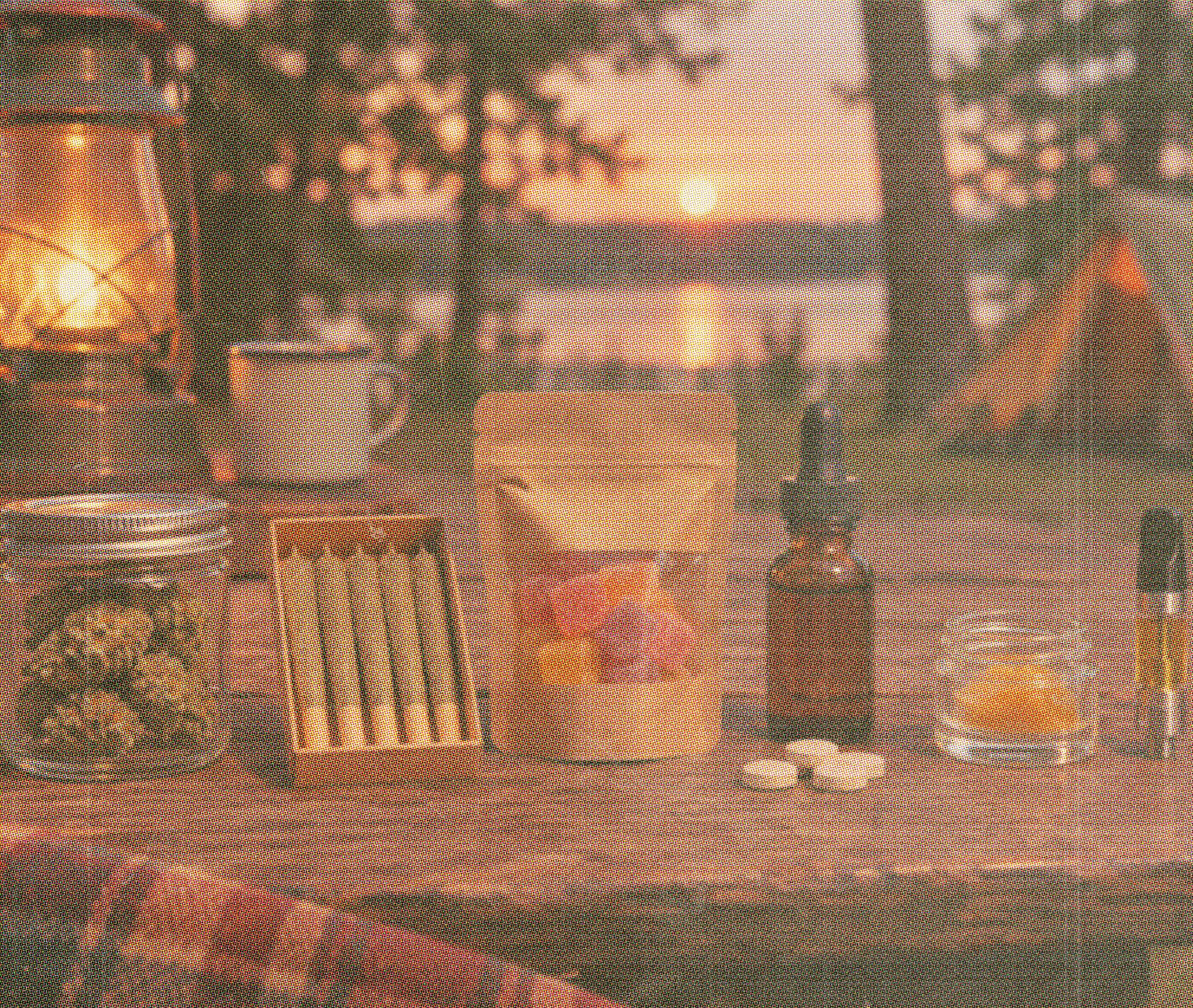
Minor Cannabinoids at a Glance
The majors
THC and CBD, the two the plant makes most of and Michigan puts on the label
The minors
CBG, CBN, CBC, THCV, and dozens more, in small amounts
CBG
The starting material the plant turns into THC and CBD
CBN
What THC breaks down into with age; made on purpose for products
THCV and CBC
Trace cannabinoids; nothing on the Banzen shelf today
On the label
Milligrams per package, often with a ratio up front (1:1 THC:CBG, 4:1:1 THC:CBD:CBG)
Ratio math
1:1 is equal parts: a 200mg 1:1 pack is 100mg THC and 100mg CBG
The research
Early; Banzen makes no health claims, and the label is the part you can check
What Is CBG, and What Makes It a Minor Cannabinoid?
CBG (cannabigerol) is the cannabinoid the cannabis plant makes first. In its acid form, CBGA, it's the starting material the plant converts into THC, CBD, and CBC as the flower matures, which is why you'll hear it called the mother cannabinoid. By harvest most of it has been used up, so CBG only shows up in small amounts unless a cultivar was bred to hold onto it. That small-amount status is what makes it a "minor," same as CBN, THCV, and CBC.
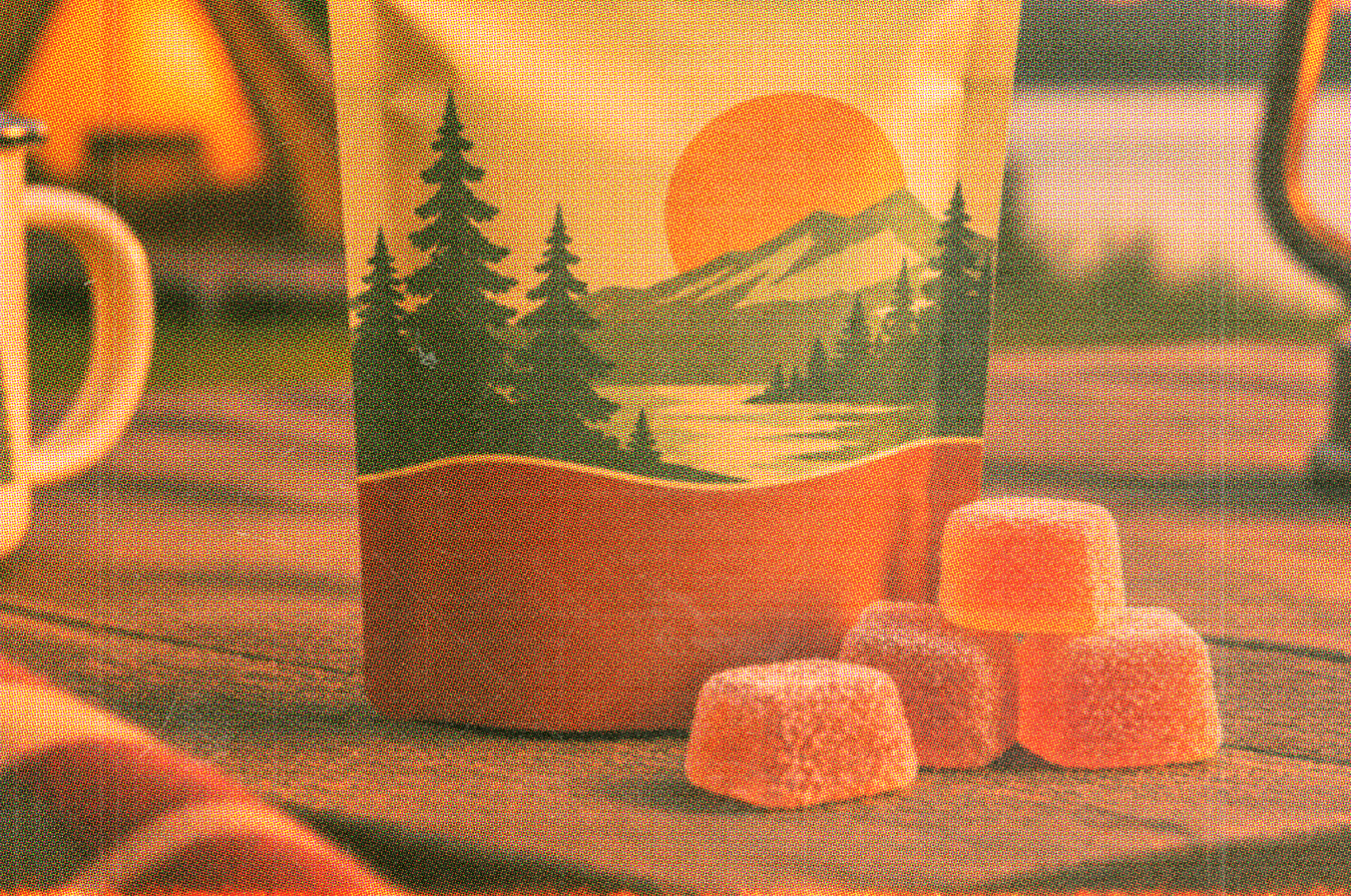

What "Minor" Means (and Why THC and CBD Are the Majors)
Cannabis makes dozens of cannabinoids, but two account for most of the weight. THC and CBD are the majors: the plant produces them in the largest amounts, and Michigan requires both on the label. The rest are minors, present at a fraction of a percent in most flower.
Minor doesn't mean rare in the product aisle, though. Brands can concentrate a minor during extraction or grow cultivars bred for it, which is how a gummy ends up with as much CBG as THC. The flower in your jar is still mostly THC.
CBG: The Cannabinoid the Plant Starts With
Early in flowering, the plant builds CBGA (cannabigerolic acid). Enzymes convert it into THCA, CBDA, and CBCA, the acid forms of THC, CBD, and CBC; heat finishes the job (see our THCa vs THC guide), and whatever CBGA never got converted becomes CBG. Think of it as the trailhead the other cannabinoids set out from.
A mature plant has spent most of its CBGA, so regular flower tests at a fraction of a percent CBG. To get a real CBG number into a product, a processor either works with a cultivar bred to stall that conversion or adds CBG isolate (a purified, powdered form) to the recipe, which is why CBG gummies list it in clean, round milligrams.
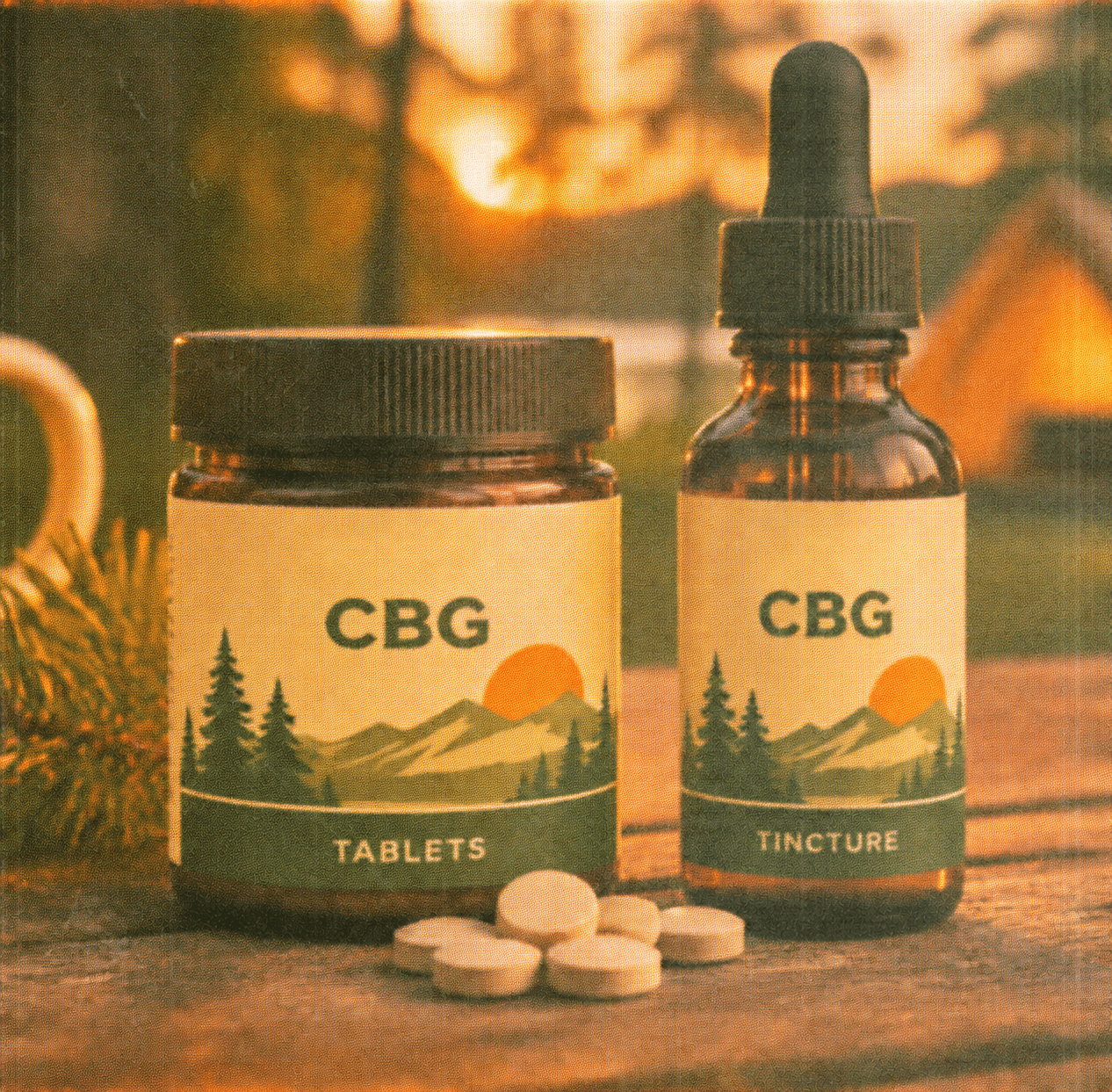
On a Michigan label, CBG appears as mg per package next to the THC, sometimes with a ratio on the front. The RISE CBG tablets and tincture on our shelf are CBG-forward; the Monster Xtracts 1:1 gummies pair it evenly with THC.
CBN: What Happens to THC Over Time
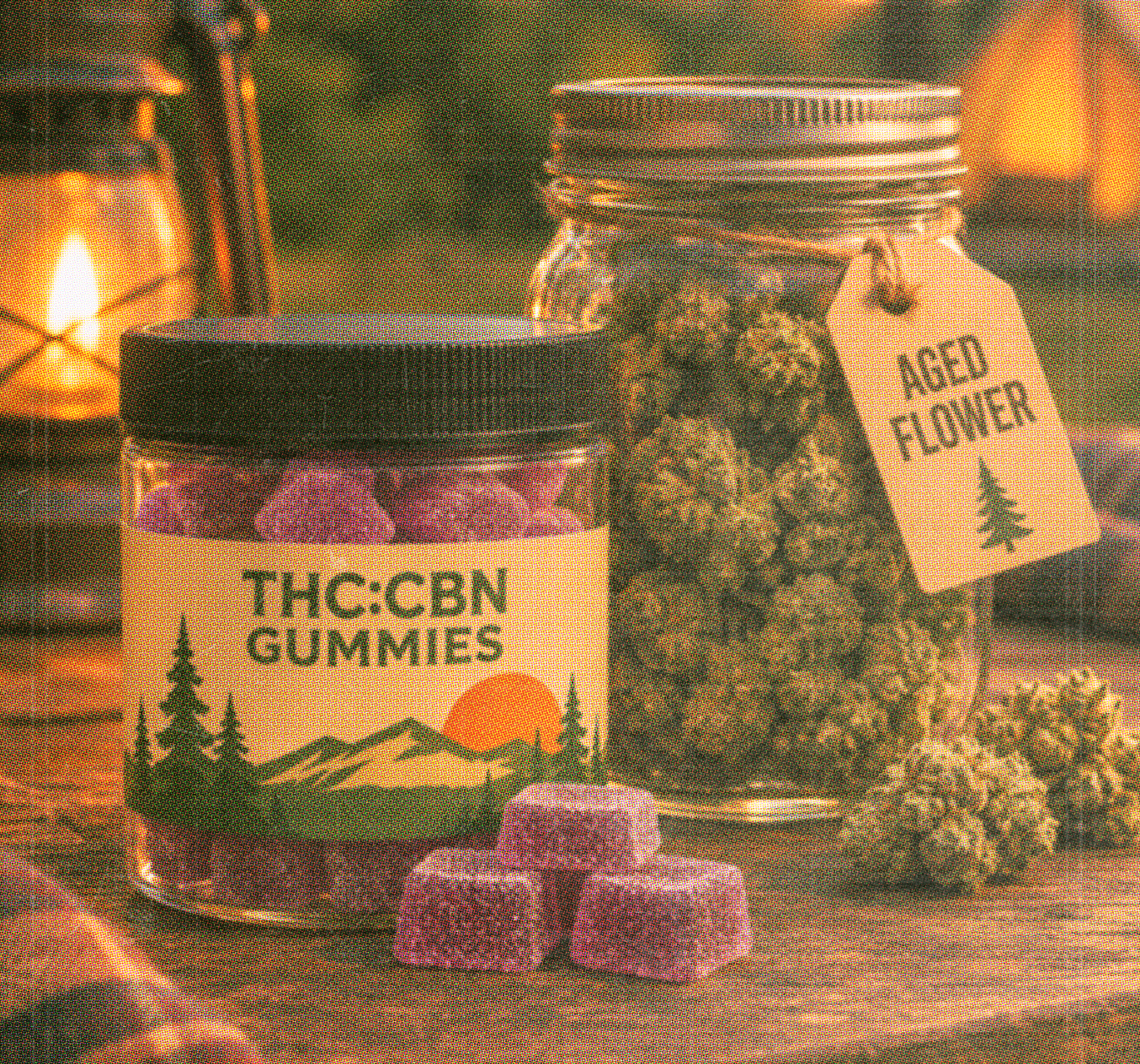
CBN (cannabinol) isn't something the plant sets out to make; it's what THC becomes after enough exposure to oxygen, light, and heat. Old flower, a jar left open on a sunny sill, a pre-roll from last summer: as the THC degrades, the CBN number creeps up, which is why old-timers associate it with stale weed.
Because the plant makes so little, the CBN in a licensed product is almost never pulled from flower. Processors make it on purpose by converting THC (heating a distillate in open air is one documented method) or, in the hemp world, CBD, then add it to the gummy or vape oil in a measured amount.
That's also the answer to "CBN vs CBD." CBD comes from its own branch off CBGA and the plant can make a lot of it; CBN is a breakdown product of THC and the plant makes almost none. The label lists them on separate lines.
THCV and CBC: The Trace Minors
THCV (tetrahydrocannabivarin) is THC's close cousin at the molecule level: same backbone, shorter side chain, present in trace amounts in most cultivars. A few brands sell THCV-forward gummies and carts, but nothing on the Banzen shelf carries it today; ask a budtender if one has landed.
CBC (cannabichromene) comes off the same CBGA starting point as THC and CBD, through a third enzyme. Nearly all cultivars make a little, and it shows up as a small line on a full-panel lab report rather than a headline ingredient. We don't stock a CBC-specific product right now either.
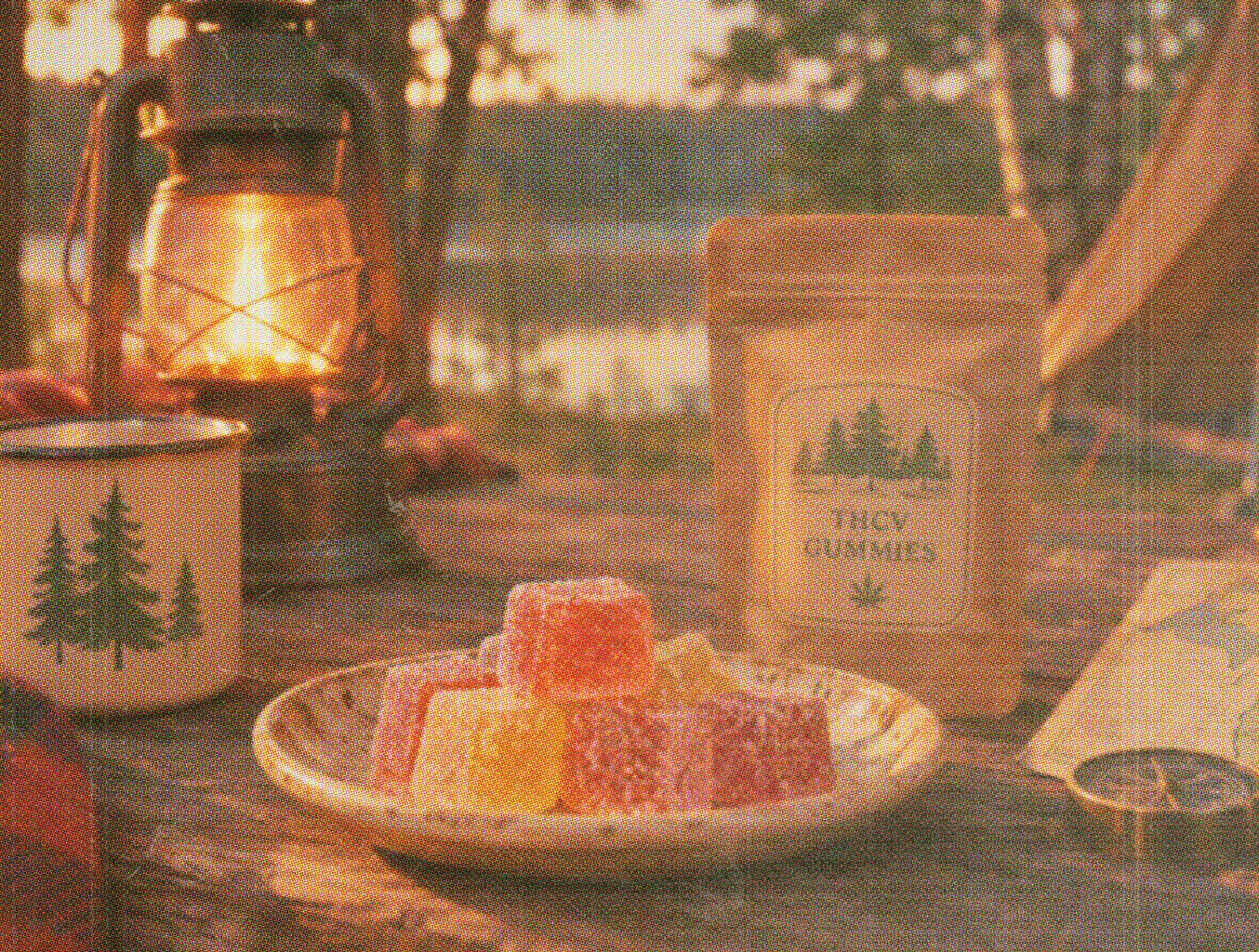
How to Read a Ratio Label (1:1, 2:1, 4:1:1)
A ratio on the front tells you proportion, not dose. The numbers follow the order of the cannabinoids printed next to them, and the milligram panel on the back tells you how much of each is in the package. A 2:1 THC:CBN label is the same idea with uneven parts: two parts THC for each part CBN.
Monster Xtracts 1:1 THC:CBG Gummies, 200mg
1:1 means equal parts, so a 200mg 1:1 pack is 100mg THC and 100mg CBG. Divide the THC by the piece count on the back: 10 pieces is 10mg THC per gummy, 20 pieces is 5mg.
Hey! Captain 4:1:1 THC:CBD:CBG Chips, 100mg
Three numbers in the order of the three cannabinoids: four parts THC, one part CBD, one part CBG. The back panel settles whether the 100 is THC alone (100mg THC, 25mg CBD, 25mg CBG) or the bag total (roughly 67mg THC, 17mg of each of the others), which is why the panel outranks the front.
Chewii 1:1 CBD Gummies, 200mg
Same math with CBD in the second spot: 100mg THC and 100mg CBD across the bag, or 5mg of each per gummy in a 20-piece bag, a lighter THC step than the standard 10mg piece.
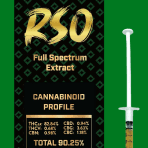
Legit Labs RSO 1:1 THC:CBD, 1g
A syringe has no pieces, so the ratio applies to the percentages on the panel: equal THC and CBD by weight in each gram. Dose by the syringe marks, a rice grain at a time, and read our RSO guide first.
Does a Minor Cannabinoid Change How THC Feels?
Plenty of people say yes, and plenty of products are built on that idea. The honest version: the "entourage effect," the hypothesis that cannabinoids and terpenes change each other's effects when combined, has limited controlled research behind it, and most of what's written about CBG and CBN online is marketing dressed up as science. Banzen doesn't make health claims about any of them.
What you can verify is the label. A 1:1 gummy has a known amount of THC and CBG, and the THC number is what tells you how strong the piece is. Keep that dose at a level you already know and judge the rest for yourself.
Minor Cannabinoids on the Shelf at Banzen
Most of the minors on our menu are edibles, plus two tinctures and one vape, all lab-tested through CRA-licensed labs with cannabinoids listed in milligrams on the panel. Prices move with deals, so read these as a snapshot.
CBG gummies
CBN gummies
Ratio chips
CBD ratios
Tablets and tincture
Browse the edibles menu, or start with the edibles page for the lay of the land.
Pace Yourself
Count the THC First
A ratio pack can carry as much THC as a regular one, so read the THC milligrams before anything else. The minor is an extra line on the panel, not a discount on the dose.
Start With One Piece
If a 1:1 gummy is new to you, take one piece and stop there for the night. You can add next time.
Give It the Full Edible Window
Edibles can take up to two hours to come on, so wait the full window before deciding one wasn't enough, and don't drive while you're feeling it. Our edibles timing guide has the details.
Where to Buy CBG and CBN Products in Coldwater, MI
BANZEN Dispensary

55 S. Michigan Ave
Coldwater, MI 49036


Sunday – Saturday: 9am – 9pm
Happy Hour: 4pm – 4:30pm

Banzen keeps the minors in the edibles aisle and the tincture case, with the Monster Xtracts 1:1 lines as the regulars and WYLD ratio gummies when they're in. Check the live menu for what's on the shelf right now, order ahead, and we'll have it bagged when you get here. Bring the panel to the counter if the ratio still reads like algebra; the crew reads these labels all day.
Minor Cannabinoids FAQ

CBG (cannabigerol) is the cannabinoid the plant makes first, in its acid form CBGA, then converts into THC, CBD, and CBC as the flower matures. Mature flower holds only a trace, so CBG products come from cultivars bred to keep it or from CBG isolate measured into the recipe.
CBN (cannabinol) is what THC turns into after enough exposure to oxygen, light, and heat. Fresh flower has almost none, so the CBN in a gummy or vape is usually made by converting THC on purpose and added in a measured amount.
CBD comes from its own branch off CBGA and the plant can produce a lot of it; CBN is a breakdown product of THC and the plant produces almost none. They test as separate lines on the panel, so a 1:1 THC:CBD product and a 1:1 THC:CBN product aren't interchangeable.
Equal parts THC and CBG, so a 200mg 1:1 pack is 100mg THC and 100mg CBG; divide the THC by the piece count for your per-piece dose. A 2:1 THC:CBN label works the same way: two parts THC for each part CBN.
On its own, CBG isn't considered intoxicating, which is why hemp CBG products are sold outside licensed dispensaries. In a 1:1 THC:CBG gummy, the THC half is what you'll feel, so dose it like any other edible.
Not in any meaningful way at the amounts in a gummy; CBN is usually described as far weaker than THC. In a THC:CBN product the THC does the heavy lifting, and that's the number to pace by.
No. CBN is the molecule THC becomes as it ages and oxidizes, so the two are related but test as separate lines on a lab report.
THCV (tetrahydrocannabivarin) is a close chemical cousin of THC with a shorter side chain, found in trace amounts in most cultivars. Banzen doesn't carry a THCV product today; ask a budtender if one has landed.
Sources
- University of Georgia Cooperative Extension, Circular 1209, "An Introduction to Hemp Chemistry and Lab Results" (CBGA as the parent cannabinoid; % Total THC = % THC + % THCA × 0.877)
- NC State Extension, AG-926, "Understanding the Relationship between THC and CBD in Hemp" (THCA and CBDA are both synthesized from CBGA)
- Montana Department of Revenue, Cannabis Control Division, "Cannabinol: Synthetic or Naturally Derived" (Jan 2025) (CBN as a degradation product of Δ9-THC; produced by heating THC distillate in air, or converted from CBD in the hemp market)
- Michigan CRA, "Sampling and Testing Technical Guidance for Marijuana Products" (potency reporting: total THC, THCA, total CBD, CBDA, and additional cannabinoids with agency approval)
- Michigan CRA Technical Bulletin, "Marihuana-Infused Products and Edible Marihuana Product: Maximum THC Limits" (Apr 24, 2025) (200mg THC per adult-use gummy container)
- Michigan Administrative Rules, Marihuana-Infused Products and Edible Marihuana Product, R 420.403(3) (THC and CBD concentration required on the label)