
Learn
What Is RSO?
RSO (Rick Simpson Oil) is a thick, dark, full-spectrum cannabis extract made by washing whole plant material in ethanol and cooking the alcohol off. It tests high in THC, it's eaten or applied rather than smoked, and a starting dose is about the size of a grain of rice.
Written and reviewed by the Banzen Editorial Team · Updated October 20, 2026 · How we write these guides

55 S. Michigan Ave
Coldwater, MI 49036


Sunday – Saturday: 9am – 9pm
Happy Hour: 4pm – 4:30pm

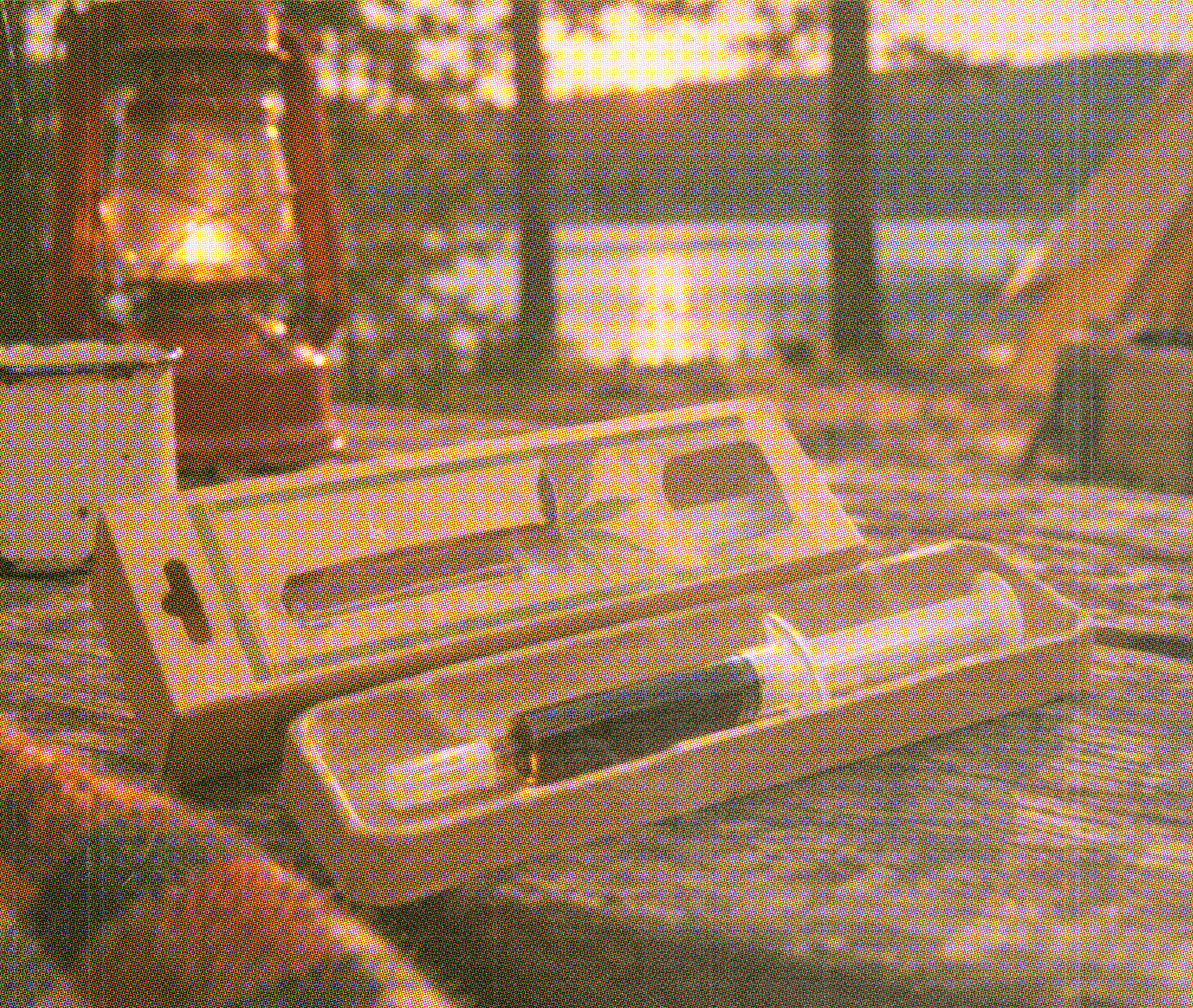
RSO at a Glance
What it is
A whole-plant cannabis extract made with ethanol, then reduced to a thick, dark oil
What's in it
THC plus the plant's other cannabinoids, terpenes, chlorophyll, and waxes (full-spectrum)
Consistency
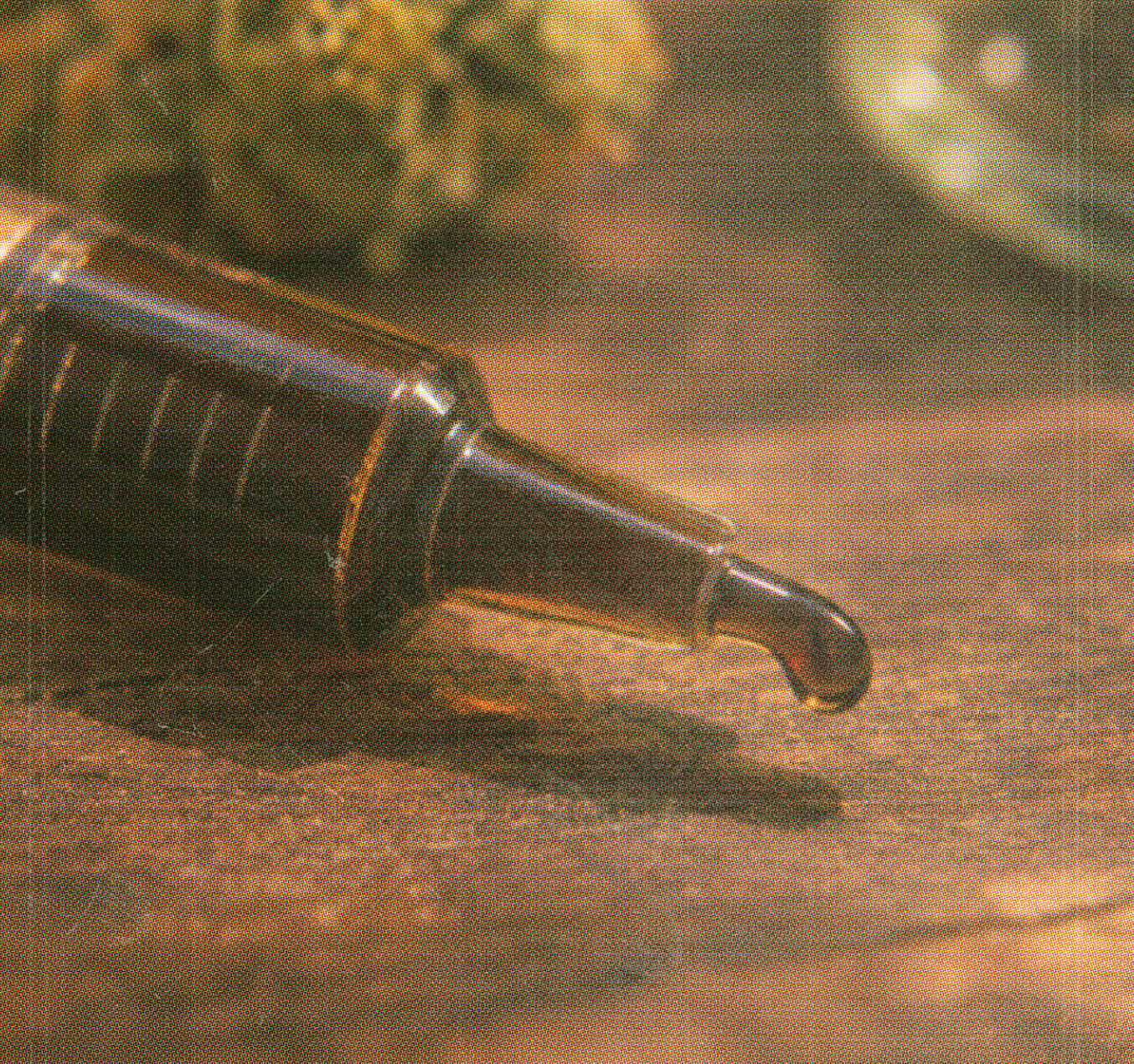
Tar-like and sticky; it moves slowly out of a syringe
THC on our shelf
~69–73% in darts; gummies and tablets are 10mg per piece
How it's used
Eaten, held under the tongue, or rubbed on as a cream. Not smoked or dabbed
Onset and duration
Like an edible: 45 minutes to 2 hours to kick in, several hours after
Formats at Banzen
Darts (syringes), gummies, tablets, a 1:1 THC:CBD dart, and a cream
Michigan limit
Darts count toward the 15g concentrate cap in a 2.5 oz transaction
What Is RSO?
RSO is cannabis oil in its least refined form. Producers soak dried plant material in food-grade ethanol, which pulls out the cannabinoids and terpenes along with everything else that dissolves in alcohol: chlorophyll, waxes, and plant sugars. Then they heat the wash to drive the ethanol off, and what's left is a dark, sticky oil that looks more like molasses than like the shatter or distillate on the concentrate shelf. RSO oil, Rick Simpson Oil, and plain RSO all mean the same thing.
That "everything else" is the whole idea. Most concentrates are refined toward pure THC, and distillate goes furthest. RSO keeps the mix, which is why you'll see it called full-spectrum or whole-plant. The trade-off is flavor: RSO tastes green, bitter, and grassy, and nobody buys it for the taste.
The heat that cooks off the solvent also activates most of the THC, so RSO works when you eat it, and that chlorophyll-heavy makeup is why it's an oral and topical product rather than something for a rig or a pipe.
Where the Name Comes From
The name comes from Rick Simpson, a Canadian who made the oil at home, gave it away, and promoted it with cancer claims. Those claims are not supported by the evidence, and Banzen does not make medical claims about RSO or anything else on the shelf. What survived from his recipe is the method: whole plant, alcohol wash, thick dark oil, taken by mouth.
How RSO Differs from Distillate,
Live Resin, and Tinctures
All four are cannabis extracts, and that's about where the overlap ends. The way to tell them apart is what the producer kept and what they threw out.
| RSO | Distillate | Live resin | Tincture | |
|---|---|---|---|---|
| Extraction | Ethanol wash of dried plant material, alcohol cooked off | Solvent extraction, then distilled to isolate THC | Solvent extraction of flower frozen at harvest | Extract dissolved in alcohol or a carrier oil |
| What's kept | Everything that dissolves: cannabinoids, terpenes, chlorophyll, waxes | THC and little else; terpenes added back for flavor | Cannabinoids and original terpenes; chlorophyll and waxes removed | Whatever went in, diluted and measured in mg |
| Consistency | Thick, dark, tar-like | Clear, gold, honey-like | Saucy, sugary, or badder-soft | Liquid in a dropper bottle |
| How it's used | Eaten, under the tongue, or as a topical | Vaped in carts, dabbed, or cooked into edibles | Dabbed or vaped | Dropped under the tongue or into food |
| THC on our shelf | ~69–73% (darts) | ~69% (the one labeled dart); carts aren't labeled by extract type | ~70–75% in jars, up to ~87% in vapes | In mg per bottle: 600–1,500mg on our shelf |
RSO
Extraction
Ethanol wash of dried plant material, alcohol cooked off
What's kept
Everything that dissolves: cannabinoids, terpenes, chlorophyll, waxes
Consistency
Thick, dark, tar-like
How it's used
Eaten, under the tongue, or as a topical
THC on our shelf
~69–73% (darts)
Distillate
Extraction
Solvent extraction, then distilled to isolate THC
What's kept
THC and little else; terpenes added back for flavor
Consistency
Clear, gold, honey-like
How it's used
Vaped in carts, dabbed, or cooked into edibles
THC on our shelf
~69% (the one labeled dart); carts aren't labeled by extract type
Live resin
Extraction
Solvent extraction of flower frozen at harvest
What's kept
Cannabinoids and original terpenes; chlorophyll and waxes removed
Consistency
Saucy, sugary, or badder-soft
How it's used
Dabbed or vaped
THC on our shelf
~70–75% in jars, up to ~87% in vapes
Tincture
Extraction
Extract dissolved in alcohol or a carrier oil
What's kept
Whatever went in, diluted and measured in mg
Consistency
Liquid in a dropper bottle
How it's used
Dropped under the tongue or into food
THC on our shelf
In mg per bottle: 600–1,500mg on our shelf
The short version: distillate is the most neutral, live resin is the most flavorful, tinctures are the easiest to measure, and RSO is the least refined of the four. Our live resin guide covers the fresh-frozen side of that story.
RSO Formats You'll See on the Menu
RSO started as a syringe of raw oil, and producers have since worked it into formats that are easier to measure.
Darts and syringes
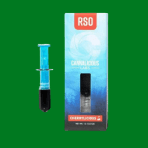
The classic: a 1g or 2g syringe of raw oil with a plunger, labeled in total THC percentage. You push out what you need and measure by eye, which is why the grain-of-rice rule exists.
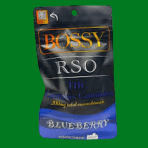
RSO gummies
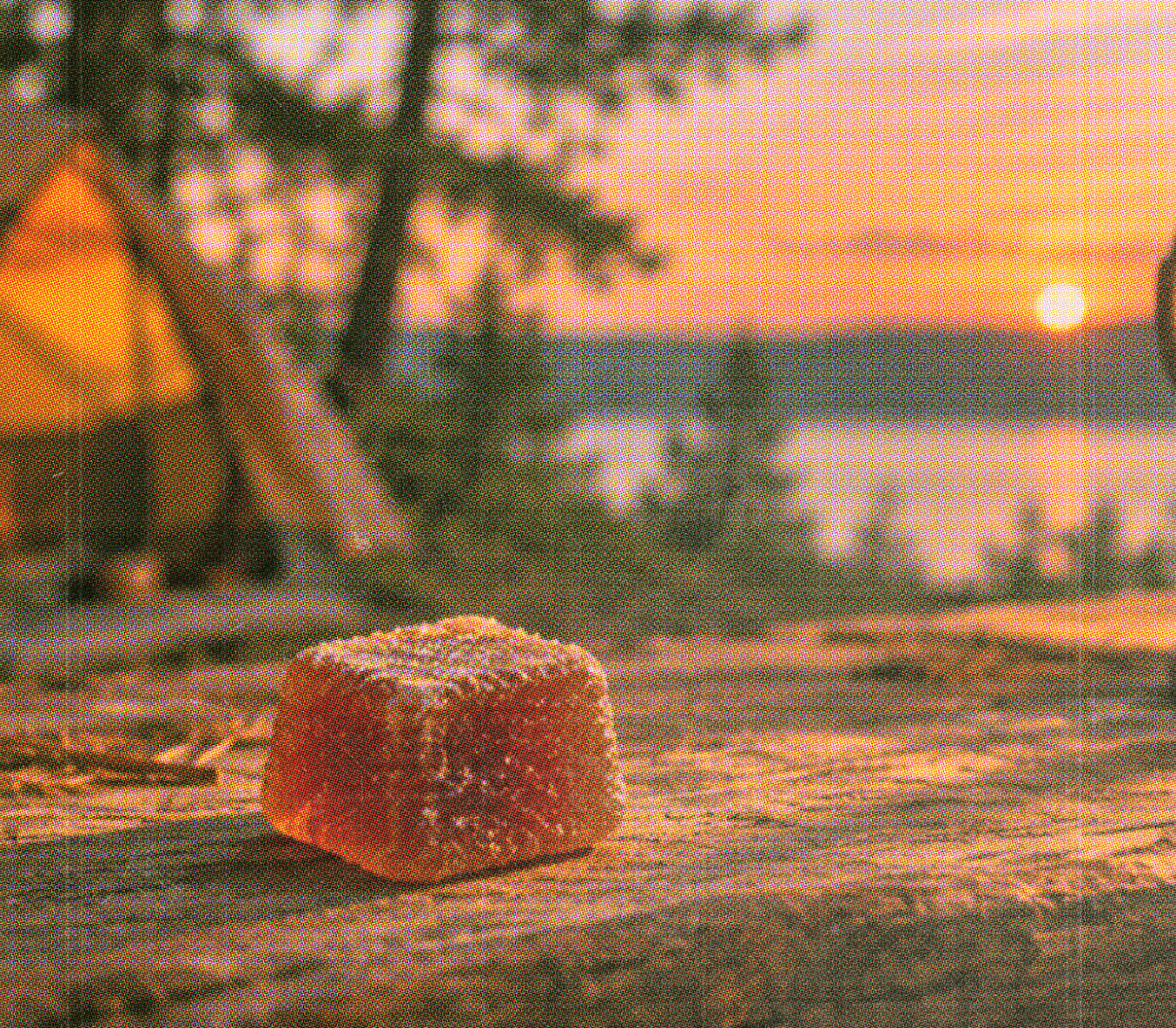
Gummies made with RSO instead of distillate, in the standard Michigan 200mg pack of 20 pieces at 10mg each. Same measured dose as any other gummy, with a slightly greener taste.
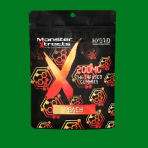
RSO tablets
Pressed tablets at 10mg apiece, 20 to a pack. The most precise way to take RSO on our shelf, and the easiest on-ramp if you're new to it.
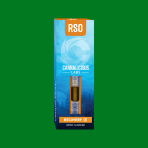
1:1 THC:CBD darts
A syringe with equal parts THC and CBD by weight. Same oil, same handling, different ratio on the label; our minor cannabinoids guide covers how to read a ratio like this one.
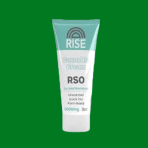
RSO cream
A topical with RSO worked into a lotion base, labeled in total mg per container. It goes on skin and is not meant to be eaten.
How to Use RSO
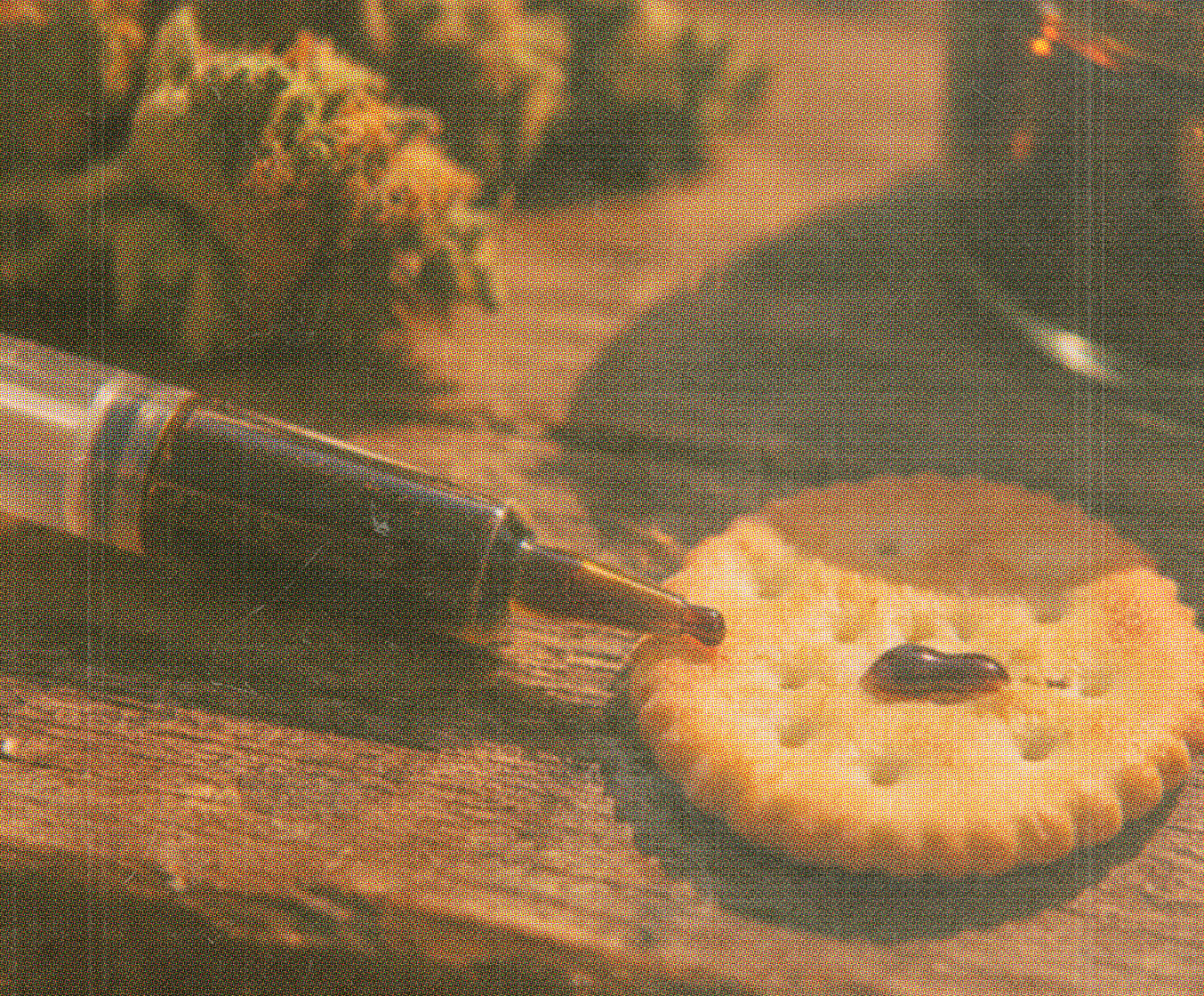
Oral is the standard route. Push out a piece of oil about the size of a grain of rice onto a cracker or your fingertip and swallow it with food. Some people hold it under the tongue for a minute first; either way, it's processed like an edible.
Think of it as a strong edible, because that's what it is: 45 minutes to 2 hours before anything happens, a peak a couple of hours after that, and a tail that can run well past dinner. Our guide on how long edibles take to kick in explains why that timeline is so much slower than smoking.
Don't dab or smoke it. RSO carries chlorophyll, waxes, and the residue of an ethanol process, and none of that belongs on a hot nail or in a bowl; it burns harsh and wastes the oil. If you want something for a rig, that's what live resin, badder, and rosin are for.
Reading the Label on an RSO Dart
An RSO dart is labeled like any other Michigan concentrate: total THC as a percentage by weight, plus the lab, batch, and test date. For dosing, what matters is what that percentage works out to per gram.
A 1g dart at 70% THC holds about 700mg of THC. A grain of rice is roughly 15 to 35mg of oil, so one grain lands between 10 and 25mg of THC, about one to two and a half standard gummies. A 2g XL dart at the same percentage holds about 1,400mg, so it goes twice as far; it does not hit twice as hard per dose.
Michigan reports total THC as THCa × 0.877 plus the Δ9-THC already present (our THCa vs THC guide unpacks that formula). On flower, most of the total is THCa waiting on heat; on RSO the heating is built in, so the label's THC is mostly active and close to what you'll get by eating it.
RSO on the Shelf at Banzen
Every format above is on the shelf, lab-tested before it reaches the case, and the crew can walk you to the right one for how you want to use it. Prices are as of Oct 2026 and move with deals; the live menu is the final word.
Darts
1:1 THC:CBD
Gummies
Tablets
Topical
Darts and the 1:1 live on our concentrates page; the gummies and tablets are on the edibles page.
Pace Yourself

Start with a grain of rice
One rice-grain-sized piece is 10 to 25mg of THC on a typical dart, which is already a full edible dose. If you've never had RSO, half a grain is a sensible first trip.

Wait two hours
RSO comes on as slowly as any edible, and taking more at the 45-minute mark is how people end up with a long night. Give it two full hours before you decide it isn't working.

Don't dab it
RSO is not made for a rig, a pipe, or a joint; the chlorophyll and leftover plant material burn harsh. Keep it oral or topical, and keep the dart capped and out of reach of kids and pets.
Where to Buy RSO in Coldwater, MI
BANZEN Dispensary

55 S. Michigan Ave
Coldwater, MI 49036


Sunday – Saturday: 9am – 9pm
Happy Hour: 4pm – 4:30pm

RSO sits in our concentrates case in dart form and on the edibles shelf as gummies and tablets, with Monster Xtracts and Cannalicious Labs the two names you'll see most. Check the live menu for today's stock and order ahead for pickup. We're an easy drive from across Branch County and over the Indiana and Ohio lines.
RSO FAQ
RSO, short for Rick Simpson Oil, is a thick, dark cannabis extract made by washing plant material in ethanol and cooking the alcohol off. It keeps the plant's full range of cannabinoids and terpenes, tests high in THC, and is eaten or applied rather than smoked.
It stands for Rick Simpson Oil, after the Canadian who popularized the recipe and attached cancer claims to it. Those claims aren't backed by evidence; the name stuck, and the industry kept the method.
Push out a grain-of-rice-sized piece from the syringe, put it on a cracker or under your tongue, and swallow it with food. Wait two hours before taking more, and skip the pipe or rig entirely; RSO is not made for heat.
Darts on our shelf test around 69 to 73 percent THC, which works out to roughly 700mg in a 1g syringe. A single grain of rice is about 10 to 25mg, so a small amount goes a long way.
No. Distillate is refined to nearly pure THC, with plant compounds removed, while RSO keeps everything the ethanol pulls out, including chlorophyll and waxes. Distillate is clear and gold; RSO is dark and tar-like.
You shouldn't. The chlorophyll, waxes, and ethanol process leave RSO unsuited to a hot nail or a bowl; it burns harsh and wastes the oil. Keep it oral or topical, and use live resin, badder, or rosin for dabbing.
About 45 minutes to 2 hours when eaten, the same as any edible, with a peak a couple of hours in and a tail that can last several more. Our guide on how long edibles take to kick in covers the full timeline.
Yes, and plenty. RSO is THC-dominant, usually around 70 percent, and a rice-grain dose lands like a strong edible. The 1:1 THC:CBD dart from Legit Labs still has plenty of THC in it, so it will too.
Sources
- Michigan Administrative Code R 420.506, Purchasing limits (2.5 ounces per transaction, of which no more than 15 grams may be marihuana concentrate)
- Michigan CRA Technical Bulletin, Maximum THC Concentrations for Marijuana-Infused Products and Edible Marihuana Product (10mg per serving, 200mg per package for adult-use edibles)
- Michigan CRA Technical Guidance, Sampling and Testing for Marijuana Products (residual solvent testing for infused and edible products; ethanol limited to 1,000 ppm in inhaled products and 5,000 ppm in non-inhaled products)
- Michigan Administrative Rules 2019-70, Marihuana Sampling and Testing, R 420.303a (a producer may not transfer or sell a product, and a sales location may not sell it, until passing results for all required safety tests are in the statewide monitoring system)
- Cannalicious Labs brand listing (describes its RSO as a full-spectrum extract that is usually taken orally)
- Monster Xtracts brand listing (RSO syringe described as full-spectrum and whole-plant)